
The Allure of Casino Games
The psychology behind why we are drawn to casino games is a fascinating area of study. At the heart of this allure lies the thrill of unpredictability and the potential for reward. Many players are captivated by the adrenaline rush that occurs when they place a bet, engaging their sense of anticipation. This excitement is often compounded by the vibrant atmosphere of casinos, designed to immerse players in a world that blurs the lines between reality and fantasy. Many fans of these lively environments also explore bitcoin casinos, which offer a modern twist on traditional gaming experiences.
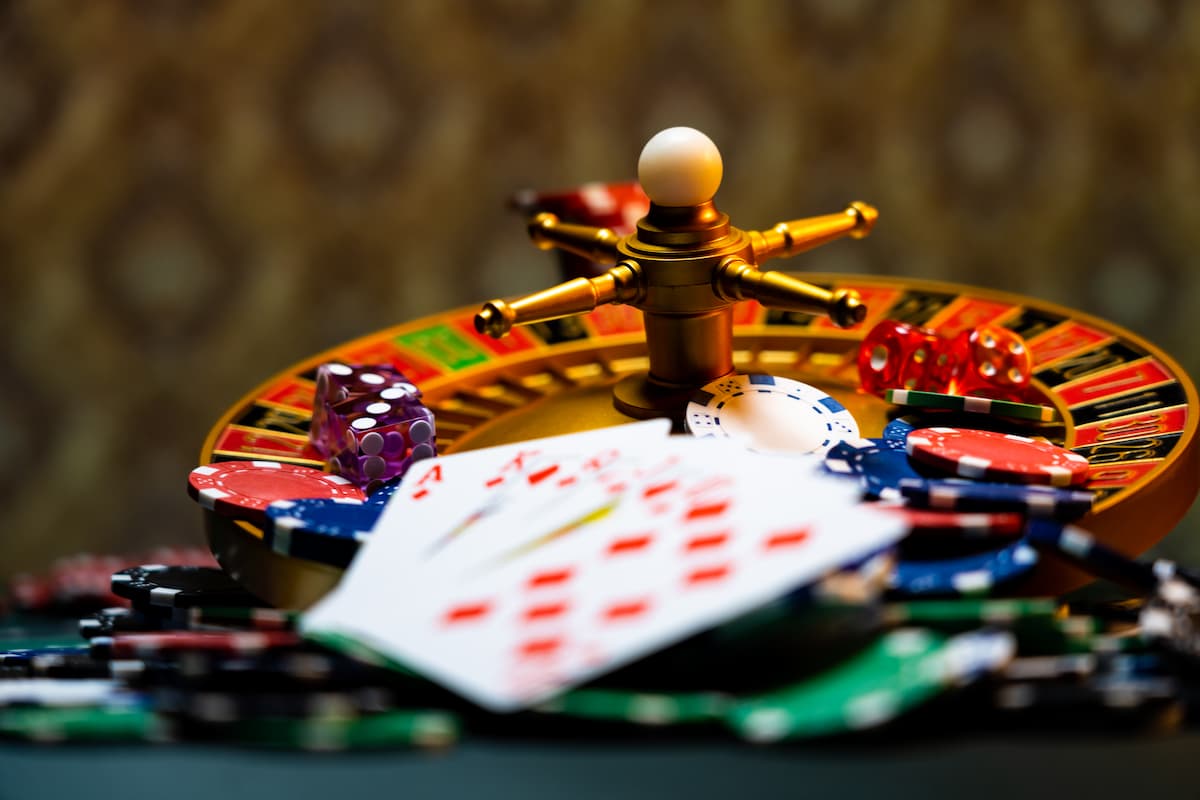
Moreover, casino games often evoke nostalgia and social connection. Players may associate these games with shared experiences—celebrations with friends or family gatherings. This emotional attachment enhances the overall appeal, making the games not just a means of entertainment but also a way to forge or strengthen social bonds.
The Role of Cognitive Bias
Cognitive biases play a significant role in gambling behavior, influencing how individuals perceive risk and reward. The illusion of control is one prominent bias—players often believe they can influence the outcome of a game, especially in games like poker or blackjack which involve skill. This belief can lead to increased engagement and investment in the game, as players feel their decisions can impact their success.
Another common bias is the gambler’s fallacy, where individuals mistakenly believe that past outcomes will influence future results. For instance, a player might think that a slot machine is “due” for a win after a series of losses. This fallacy causes many to continue playing longer than they intended, driven by a psychological need to chase losses or validate their previous choices.
The Motivation Behind Gambling
People gamble for various reasons, which can often be traced back to intrinsic and extrinsic motivations. Intrinsically, many seek the thrill and excitement of the game, enjoying the momentary escape from everyday life. This escapism can serve as a coping mechanism, allowing individuals to temporarily forget their problems or stressors.
Extrinsically, the potential for financial gain is a substantial motivator. The dream of winning big can overshadow the risks involved, leading players to overlook the odds stacked against them. This desire for financial reward can often overshadow rational decision-making, pushing individuals to gamble beyond their means.
Impacts of Gambling on Mental Health
Gambling can have profound effects on mental health, influencing individuals’ emotional and psychological states. While many people enjoy gambling recreationally without adverse effects, for others, gambling can lead to addiction and associated mental health issues. Problem gambling can result in increased anxiety, depression, and feelings of isolation, as individuals may struggle with the consequences of their gambling behavior.
The psychological mechanism behind addiction is often tied to the brain’s reward system. The temporary pleasure gained from gambling stimulates the release of dopamine, reinforcing the behavior. Unfortunately, over time, this can lead to a cycle of dependency, where the player feels compelled to gamble to achieve the same level of excitement.

Understanding Responsible Gambling Practices
As awareness of gambling-related issues rises, promoting responsible gambling practices becomes essential. Educational efforts strive to inform players about the risks associated with gambling and highlight strategies to maintain control. This includes setting limits on time and money spent, recognizing the signs of problem gambling, and seeking help when necessary.
Websites focusing on gambling often serve not only as platforms for entertainment but also as resources for promoting responsible gaming habits. These sites can provide information on how to gamble responsibly, support networks for individuals experiencing problems, and guidelines for seeking assistance. By cultivating a healthier approach to gambling, players can enjoy the thrill while minimizing potential negative impacts.